
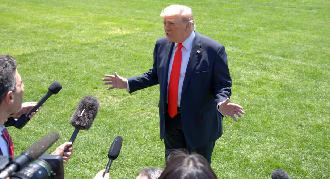

US President Donald Trump said Iran was prepared to accept extensive weapons inspections as part of ongoing diplomatic efforts between Washington and Tehran, a claim that was quickly challenged by Iranian officials. In a post on Truth Social, Trump backed remarks made earlier by Vice President JD Vance following a fresh round of talks in Switzerland under the recently signed 14-point memorandum of understanding (MoU).
“Everybody is fully aware that Iran will agree to have Major Weapons Inspections in order to ensure ‘Nuclear Honesty’ long into the future,” Trump wrote.
His comments came after Vance described the latest negotiations as constructive and said both sides had made progress towards a broader agreement.
Speaking to reporters at the Burgenstock resort in Switzerland, Vance said the discussions had created a strong basis for future negotiations.
“We laid a very good foundation for a successful final deal,” he said.
According to Vance, the talks helped establish mechanisms aimed at strengthening regional stability and oversight of Iran’s nuclear activities. He also claimed that Tehran had agreed to allow nuclear inspectors into the country, calling it an important step towards ensuring Iran does not develop nuclear weapons.
However, Iran rejected suggestions that any new commitments had been made on nuclear inspections.
Iranian Foreign Ministry spokesperson Esmaeil Baqaei said cooperation with the International Atomic Energy Agency (IAEA) would continue under existing arrangements and in line with decisions taken by Iran’s Parliament and national security authorities.
“Iran’s interactions with the Agency, in accordance with Iran’s obligations under the Safeguards Agreements, will continue according to existing procedures and comply with the laws enacted by the Islamic Consultative Assembly (Majlis) and the decisions of the Supreme National Security Council (SNSC),” Baqaei told state-run news agency IRNA.
IRNA also reported, citing sources familiar with the discussions, that Iran did not negotiate its nuclear programme during the Switzerland talks and had not accepted any new obligations related to inspections or nuclear activities.
The differing accounts highlight the challenges that remain despite signs of progress in recent diplomatic efforts.
The talks in Switzerland are part of a wider process launched after the United States and Iran signed a memorandum of understanding aimed at addressing regional tensions, sanctions and broader security concerns.
While both sides have spoken positively about recent discussions, significant differences remain over the scope of any future agreement, particularly on Iran’s nuclear programme.