
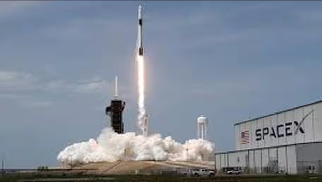

Just days after emerging as one of the world’s most valuable companies following its blockbuster stock market debut, Elon Musk-led SpaceX has witnessed a sharp correction, with more than USD 600 billion wiped off its market value in just three trading sessions.
The stock fell 16 per cent on Monday to close at USD 154.60, its lowest level since listing. The latest decline extended the stock’s three-day slide to 23 per cent, significantly reducing the company’s valuation. Despite the sharp fall, SpaceX remains valued at more than USD 2 trillion, making it one of the world’s most valuable companies.
Profit Booking After Record IPO
The correction comes shortly after SpaceX’s record-breaking IPO, which raised USD 75 billion and triggered a strong rally in the stock. Investor enthusiasm around the company’s businesses spanning space launches, satellite communications and artificial intelligence had propelled the stock sharply higher in the days following its listing.
However, the rapid rise also left the stock vulnerable to profit booking, as investors who entered early rushed to lock in gains after the rally.
Market observers say such corrections are common when newly listed companies witness a surge in valuations over a short period. As valuations rise rapidly, investors often reassess whether future growth expectations have become too optimistic.
Concerns Over Valuation Emerge
The recent sell-off has also sparked debate over whether SpaceX’s valuation had moved ahead of its underlying fundamentals.
While investors remain optimistic about the company’s long-term prospects, some analysts believe much of the expected future growth may already have been factored into the stock price during the post-IPO rally.
The correction reflects growing caution among investors as they evaluate whether the company’s current valuation can be justified by its future earnings potential.
AI Expansion Adds to Investor Scrutiny
Another factor influencing investor sentiment is SpaceX’s growing focus on artificial intelligence.
The company is reportedly trying to raise at least USD 20 billion in its first investment-grade bond offering, with a large portion expected to go toward funding its AI efforts.
SpaceX has also signed a multibillion-dollar deal to provide computing infrastructure to AI startup Reflection AI, further expanding its footprint in the fast-growing artificial intelligence field.
While many investors see AI as a major growth opportunity, others are wary about the size of the investments being made at a time when expectations for the company are already high.
Retail Investors Were Big Contributors to Rally
Retail investors were among the biggest contributors to SpaceX’s strong post-listing performance.
Individual investors poured hundreds of millions of dollars into the stock during its first few trading sessions, according to data from market research firms, helping to fuel the rally and push valuations higher.
However, stocks that attract heavy retail participation can also experience significant volatility when sentiment shifts. While retail investors continued to buy SpaceX shares, the pace of purchases slowed considerably compared to the frenzy seen immediately after the IPO, according to recent data.
Analysts Raise Concerns Over Risk-Reward
The recent decline comes amid analysts initiating formal coverage of the company.
While many continue to see SpaceX as a leader in the space-launch and satellite communications industries, some believe the stock’s risk-reward profile has become more balanced after the rapid rally.
Analysts note that investors could be factoring in long-term growth in space tech, satellite internet services and artificial intelligence that may not materialise for a number of years.
What’s In Store?
One of the key reasons investors remain bullish on SpaceX is greater exposure to artificial intelligence following the integration of Musk’s AI venture xAI into the wider business ecosystem.
Supporters say the combination of space tech, satellite communications and AI has the potential to underpin premium valuations in the long term. Critics say investor expectations may have outpaced the company’s business fundamentals.
Even after losing more than USD 600 billion in market value, SpaceX shares continue to trade above their IPO price of USD 135. The company remains among the most valuable businesses globally, but the recent sell-off has intensified scrutiny over whether its ambitious growth plans can justify the valuation levels investors assigned to it following its blockbuster debut.