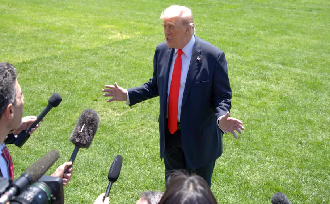

US President Donald Trump said that Iran had assured Washington it would not impose tolls, insurance fees or any other charges on ships passing through the Strait of Hormuz, in a move aimed at easing concerns over the security of one of the world’s most critical shipping routes.
In a post on Truth Social, Trump said Tehran had conveyed that there would be “NO TOLLS, NO INSURANCE COSTS, & NO OTHER CHARGES OF ANY KIND” on vessels transiting the strategic waterway. “If this is false information, negotiations would end, immediately!” Trump wrote.
His remarks came amid growing speculation that Iran could seek to levy charges on shipping through the strait following recent negotiations. Comments by Iranian and Omani officials on the management of maritime services in the region had fuelled concerns that transit fees might be introduced.
Trump’s intervention appeared designed to reassure global markets and the shipping industry, both of which have been closely watching developments in the Strait of Hormuz, a narrow but crucial passage through which roughly a fifth of the world’s seaborne oil trade moves. Any threat of disruption or added costs in the waterway has the potential to rattle energy markets and push up shipping expenses.
The US President also pushed back against reports suggesting Washington had transferred money to Iran as part of the ongoing negotiations.
“Additionally, no money has been given to Iran, or released from their money to them, by the US,” he said.
Trump added that the US would instead release some Iranian funds under American control to finance purchases of US agricultural goods for Iran, including corn, wheat and soybeans.
“We will be releasing some of their money, that is totally controlled by us, to our farmers and ranchers, for the purchase of corn, wheat, soybeans, and more,” he said.
He said the food would be supplied exclusively from the United States, adding that it was “desperately needed” in Iran.
The latest statement comes at a delicate stage in US-Iran negotiations, with both sides trying to steady tensions after months of uncertainty in West Asia and persistent concern over the impact on global oil and energy markets.