

Menstrual Hygiene Day is observed annually on May 28 to raise awareness about the importance of good menstrual hygiene management around the world. It calls for a world where menstruation is not a barrier to education, health, and economic opportunities. The theme for World Menstrual Hygiene Day this year is “Together for a #PeriodFriendlyWorld”. This theme advocates for safe sanitation infrastructure, eradicating period stigma, and ensuring all women have universal access to menstrual products.
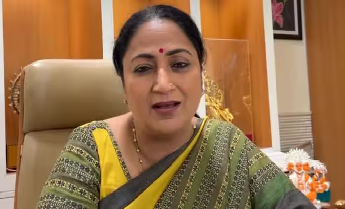
On the occasion of Menstrual Hygiene Day, Delhi Chief Minister Rekha Gupta reaffirmed her government’s commitment to menstrual health. Sharing a video her social media platform, she said, “On Menstrual Hygiene Day, Delhi renews its commitment to dignity, hygiene and better health for every girl.” She said Delhi Government is focusing on breaking the silence around menstruation and improving sanitation.
Key initiatives of the Delhi Government include reaching out to both girls and boys to increase awareness and sensitivity in society by involving ASHA and Anganwadi workers. Also, 1,000 new toilet blocks have been installed across the city to ensure clean school restrooms.
Essential supplies will be made available
The government has announced that medical rooms and “menstruation corners” will be established in all Delhi schools. Sanitary napkins, underwear, and other essential supplies will also be made available. The process of installing sanitary napkin vending machines in school washrooms will also be expedited.
On World Menstrual Hygiene Day, the Chief Minister emphasised that no girl’s education should be affected simply due to a lack of basic sanitation facilities.
Flight of Courage
School-wide data on HPV vaccinations will also be collected. Government school children will be ensured to participate in the “Flight of Courage” program. A toll-free number will soon be released to directly communicate complaints and suggestions from children and parents to the government, which will be displayed on school walls and main gates.
The Chief Minister also announced that the Delhi government will install RO water coolers in all schools and launch a massive tree-planting campaign from June 5th, which is a part of the Green Action Plan 2026-27, which aims to plant over 70 lakh (7 million) trees, shrubs, and bamboo hedges across the city. Schools will also be whitewashed and infrastructure will be improved. The government says these steps are aimed at creating a safe, clean, and better learning environment for children.
Complications related to poor menstrual hygiene
Some of the most common complications associated with poor menstrual hygiene are:
1. UTIs and infections: If the sanitary pads are not clean or changed on time, this leads to the rapid multiplication of bacteria, leading to painful infections, and in some cases, leading to long-term reproductive health complications.
2. Risk of rashes and Skin irritation: Wearing the same pad for a long period of time or using inappropriate material can lead to itching, fungal infections, or even rashes.
3. Increased risk of HPV infections: Repetitive infections can lead to chronic inflammation, developing a vulnerable environment for more serious complications, especially in the cervix. This can raise the risk of developing HPV infection.
Essential tips to maintain Good Menstrual Hygiene
Maintaining good menstrual hygiene need not be complicated or expensive, but following the below-mentioned basic tips can work:
1. Cleanliness and comfort: Choose the best-suited sanitary product, which is clean and comfortable, be it sanitary pads, tampons, menstrual cup or even reusable cloth pad.
2. Change Frequently: As the thumb rule says, it is advisable to change every 4-6 hours or sooner if required.
3. Wash with clean water: During every change, warm water is usually enough to clean the area, and avoid using any harsh soaps or intimate washes.
4. Sensible Disposal: Before discarding the used pads, wrap them in paper, or if one is using reusable cloth pads, then it is advised to wash the cloth properly and dry it in sunlight before next use.
These might seem like small steps, but together they can prevent a range of problems and make a huge difference to overall well-being.