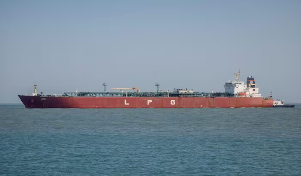

As tensions in the US-Iran standoff make the Strait of Hormuz difficult to pass safely, LNG ships moving from Qatar and the United Arab Emirates (UAE) are crossing the narrow sea with their location systems turned off. It has added a new layer of secrecy to one of the world’s most important energy corridors.
The strait connects Gulf producers to buyers across major importing countries and has become more sensitive as maritime security risks rise in the region. To deal with the situation, shipping operators of Qatar and the UAE are using a method known as “dark transit”, where vessels switch off their AIS tracking systems while passing through high-risk waters.
This method allows ships to avoid being tracked in real time, especially in zones where military activity or interception risks are higher. Once the vessels clear the danger zone, the systems are turned back on and normal tracking resumes.
“This is a navigation freedom battle. When you look at strategic chokepoints like the Strait of Hormuz, large parts of the world maritime trade feel exposed. We are seeing a noticeable rise in dark transit and operational risk,” said Micheal Wiese Bockmann, analyst at Windward, a maritime data and analytics company.
Ships moving without a trace
Data from ship tracking platforms and crew member accounts suggest that in May 2026, at least four Qatar-linked LNG carriers passed through Hormuz without broadcasting their location.
One of the vessels, the Qatar-owned LNG tanker Al Rayyan, turned off its transponder before entering the strait. Instead of sailing independently, it followed another Qatari vessel, Fuwairat, which had clearance under a diplomatic arrangement involving Pakistan and Iran for safer passage.
As the ships entered waters under Iranian monitoring, both disappeared from public tracking systems. Their AIS signals were switched back on only after they reached the Gulf of Oman.
Relief for India and Bangladesh
While only a limited number of LNG shipments are presently using this route, the movement of cargo through the waterway has direct impact on Asian buyers.
Paying nearly twice the usual price, India and Bangladesh had to buy LNG from the spot market during earlier supply disruptions caused by the US-Israel-Iran war. The return of shipments from Qatar and the UAE, even through low-visibility transit methods, has helped ease immediate supply shortage fears.
Energy traders say the situation is still sensitive, but continued movement of LNG cargoes through Hormuz has prevented a squeeze in gas availability for major importers in Asia.