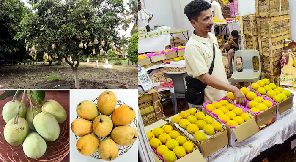

Japan mango import suspension: For the first time in 20 years, Japan has halted imports of Indian mangoes. This development has dealt a fresh blow to Indian mango exporters during the peak summer season. The suspension affects premium Indian varieties of mangoes that are widely exported to Japan every year like Alphonso, Kesar, Langra, Banganapalli, and more. The decision comes after Japanese plant quarantine officials at Indian mango treatment facilities reportedly found deficiencies in fumigation and disinfection procedures during inspections conducted in March.
This ban has been put in place because Japan has some of the strictest phytosanitary or (plant health) regulations in the world. Japan maintains a zero-tolerance policy toward invasive pests such as fruit flies, which can severely damage domestic agriculture.
Japanese inspectors found operational lapses at Indian vapour heat treatment (VHT) facilities, where mangoes are disinfected before export. These facilities are responsible for ensuring that exported fruits are pest-free and comply with Japan’s import standards, as per reports.
After the inspection, Japan’s Yokohama Plant Protection Association announced that shipments carrying Indian inspection certificates issued after March 25, 2026, would no longer be accepted. This is a major decision because Japan had lifted a similar ban only in 2006 after restricting Indian mango imports for nearly 20 years over concerns related to fruit fly infestations.
What does this ban mean for India?
Japan may not be India’s biggest mango market but the suspension is still seen as a reputational setback for Indian agricultural exports. Exporters fear the move could raise broader questions about India’s quality-control systems and export compliance standards.
Who is the world’s largest producer of mangoes?
India is the world’s largest producer of mangoes, producing nearly 28 million metric tonnes annually, though most of the fruit is consumed domestically. For exporters, however, premium international markets such as Japan offer significantly higher profit margins than domestic sales. The ban could particularly hurt growers and exporters dealing in high-value varieties meant for overseas consumers.
The timing of this ban has worsened the crisis. Already, mango farmers in Maharashtra, particularly in the Alphonso growing belt, are facing severe crop losses this year due to extreme weather and heat associated with the El Nino climate pattern. Some government-backed surveys have estimated serious crop losses as high as 85-90% in parts of the state.
Can the ban be reversed?
Exporters and Indian authorities are expected to hold talks with Japanese regulators to address the concerns. Experts say if India hopes to regain access to the Japanese market quickly, they may have to strengthen monitoring of treatment facilities, improve documentation and tighten pest-control compliance. However, with the mango export season running mainly from April to June, many traders fear that even if negotiations succeed, this year’s season may effectively be lost.