
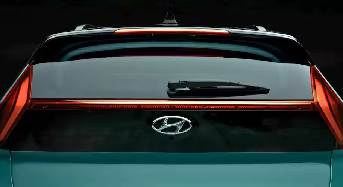

Hyundai has announced plans to launch 26 new models by 2030, spanning petrol, electric, and hybrid powertrains. Leading that charge will be two important SUVs: an all-new Bayon-based compact SUV and the next-generation Creta, both expected to arrive during FY2026-27.
Hyundai Bayon-Based SUV
Internally codenamed Bc4i, the Bayon-based SUV is expected to debut in India between July and September 2026. The biggest talking point here is the engine. It will introduce Hyundai’s all-new 1.2-litre turbo petrol unit, which is said to be more compact and fuel efficient than the Creta’s existing 1.5-litre turbo petrol engine. This new engine is also expected to support hybrid technology and could go on to become Hyundai’s primary hybrid engine for compact and midsize SUVs, both in India and in global markets.
In terms of features, the new SUV is expected to come with a dual-screen dashboard, connected car tech, wireless smartphone connectivity, automatic climate control, ambient lighting, ventilated front seats, rear AC vents, and a 360-degree camera.
Next-generation Hyundai Creta
The third-generation Creta is expected to follow shortly after, likely debuting early next year. This won’t be a minor update. The new Creta gets a complete design overhaul, a fresh feature list, and Hyundai’s new K3 platform, along with a strong hybrid powertrain option. Reports suggest Hyundai could go one of two ways with the hybrid setup: either electrify the existing 1.5-litre petrol engine, or use a hybrid version of the new 1.2-litre turbo petrol engine debuting in the Bayon-based SUV.
The new Creta will also introduce Hyundai’s Pleos Connect system for the first time. This includes a larger central touchscreen, a slim digital driver’s display, and built-in Gleo AI integration. Other expected upgrades include new upholstery and trim options, an updated ADAS suite, adjustable rear headrests, and revised door trims. The new Creta is also expected to grow in size, becoming longer, wider, and more spacious than the current model.