
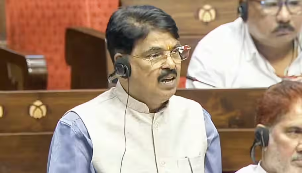

Bar Council of India (BCI) Chairperson Manan Kumar Mishra publicly retracted his recent tone, offering an apology to law students nationwide . The statement comes after days of rising friction between regulatory authorities and student bodies linked to the National Academy of Legal Studies and Research (NALSAR).
Addressing the legal education community directly, Mishra acknowledged that official communications issued under his signature caused widespread distress among future legal practitioners.
“If anything connected with the present controversy, any of my words or letters, has hurt the feelings of our law students, I sincerely regret and apologise for the same,” said Manan Kumar Mishra, Chairperson, Bar Council of India.
Despite the formal regret, Mishra declined to detail specific clauses or administrative points within his previous statements that triggered the dispute.
Escalating friction between regulators and law universities
The apology marks a critical turn in the ongoing standoff between the national legal regulator and premier autonomous law universities.
Mishra’s initial communications raised sharp criticism from legal scholars, alumni networks, and student unions, who argued that the regulatory body was overstepping its statutory mandate under the Advocates Act.
Lack of specificity: The statement omitted explicit references to disputed regulatory clauses, leaving structural policy disagreements unresolved.
Student-led mobilisation: Resistance from NALSAR students prompted joint solidarity statements from legal cohorts across other National Law Universities (NLUs).
Regulatory oversight: The clash highlights long-standing debates regarding the degree of administrative autonomy NLUs should retain against central BCI directives.
Broader implications for national law universities
While Mishra’s statement attempts to calm immediate outrage, legal education experts note that systemic tension between the Bar Council and autonomous academic institutions remains unaddressed.
Faculty members and student delegates continue to call for open dialogues to clarify institutional boundaries, professional ethics codes, and constitutional protections for academic freedom across legal campuses.