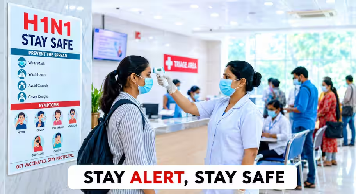

Delhi-NCR authorities rolled out fresh advisories as the number of influenza A (H1N1) infections rose to 1,777 in the capital city alone. The daily infection figures peaked at 114 on a single day, Thursday, with authorities making changes in the diagnostic and triage procedures in state and private hospitals.
Most people suffer from mild or moderate upper respiratory infections from H1N1, but the symptoms become worse in high-risk groups.
Top pulmonologists say that this year’s strain of H1N1 tends to have muscle fatigue and coughing that persist after fever.
Primary symptoms: Sudden fever, dry cough, sore throat, headache, stuffy nose, body pains, and weakness.
Uncommon symptoms: Dr Neetu Jain, Senior Consultant at PSRI Hospital, says that patients tend to have watery eyes, a common cold, and extreme physical lethargy.
High-risk factors: Older adults, children, pregnant women, and those suffering from asthma, diabetes, or cardiovascular disease tend to be at higher risk of lower respiratory illness.
Preventive measures, diagnostics, and treatments
Former AIIMS Director and Chairman of Internal Medicine at Medanta Gurugram, Dr Randeep Guleria, says that although most cases resolve on their own, monitoring is necessary.
Early diagnosis through RT-PCR or rapid molecular diagnostics done at home enables doctors to manage the case appropriately while the inflammation in the bronchial region is not severe yet.
Antiviral treatment: Medical practitioners usually use targeted antiviral treatment in the form of Oseltamivir for high-risk patients or for those who have a serious infection,, and only if it is prescribed within 48 hours after the onset of symptoms.
Infrastructural preparedness: The Health Minister of Delhi, Pankaj Kumar Singh, assured that the availability of isolated beds, oxygen, and medicines in both public and private hospitals is enough to cope with the present situation.
It is recommended that people should get their annual vaccinations for influenza as the most effective means of protection from the disease.
Frequently Asked Questions (FAQ)
How many H1N1 cases are there in Delhi in 2021?
There have been 1,777 cases of H1N1 flu among 2,392 cases of Influenza A registered in Delhi till now.
What are the main symptoms of H1N1 swine flu?
Common symptoms include sudden high fever, sore throat, persistent dry cough, headache, body aches, fatigue, and runny nose. Some patients also report watery eyes and lingering weakness.
How is H1N1 treated in high-risk patients?
Most mild cases resolve with supportive care and rest. High-risk or severe cases are treated with targeted antiviral medications like oseltamivir under strict medical supervision.