
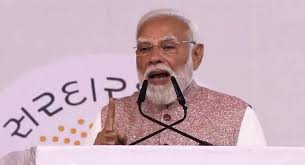

Prime Minister Narendra Modi has asked ministers and government officials to follow austerity measures and focus on self-reliance amid rising global economic uncertainty and supply chain pressure. Speaking about the recent Cabinet meeting, Union Minister Ashwini Vaishnaw said the Prime Minister stressed the need to “spend as little as possible” and reduce dependence on imported goods.
According to Vaishnaw, Modi urged ministers and officials to adopt practical measures for conservation, cut unnecessary expenditure, and promote energy savings. The Prime Minister’s message comes at a time when global commodity prices and fuel-related concerns continue to put pressure on economies worldwide.
Leaner PM Convoy Seen Amid Fuel Saving Push
The Centre’s focus on austerity was also reflected in Prime Minister Modi’s movement on Wednesday. Visuals from the day showed a relatively smaller security and vehicle convoy arrangement compared to previous occasions.
The move is being viewed as part of the government’s broader effort to encourage fuel conservation and send a message on responsible energy use.
Gadkari Cuts Convoy Size by 50%
Union Road Transport and Highways Minister Nitin Gadkari has also announced measures in line with the Prime Minister’s appeal.
Gadkari said he will reduce the number of vehicles in his official convoy by 50% during his Maharashtra tour. He also plans to travel by bus during parts of the visit to support fuel-saving efforts.
The minister said the decision was taken keeping in mind national energy security and the need to reduce unnecessary fuel consumption.
BJP Leaders Back PM’s Appeal
Karnataka Legislative Council Opposition leader Chalavadi Narayanaswamy said people across the country have historically responded positively to Prime Minister Modi’s public appeals, including during the Covid-19 pandemic.
He said the Prime Minister’s latest message on fuel conservation and austerity is in the national interest. Narayanaswamy added that the government has so far absorbed much of the burden caused by rising international prices, but maintaining that support for a long time may become difficult if global costs continue to rise.