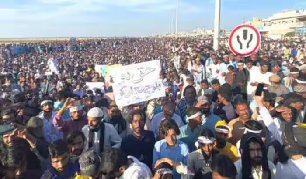

Thousands have come out on the streets in Pakistan-occupied Kashmir (PoK) in a show of protests under the Awami Action Committee (AAC). Over the past three days, at least 10 civilians have been killed, and more than 100 have been injured, as the demonstrators clashed with the Pakistani security forces. Meanwhile, the demands of the public are economic relief and political reform.
In Dhirkot (Bagh district) alone, four protesters were shot dead, while deaths were also reported in Muzaffarabad, Dadyal (Mirpur), and Chamyati near Kohala.
The protests in PoK have exposed the socio-economic grievances and neglect by the Pakistani state.
What Is Awami Action Committee?
IANS reported, citing European Times, that the AAC, a coalition of civil society groups and has launched an indefinite strike in response to rising flour and electricity prices and is calling for the abolition of 12 legislative seats reserved for Kashmiri refugees living in Pakistan.
The European Times report highlighted how the region, despite being resource-rich and home to critical infrastructure like the Mangla Dam, suffers from inflated power tariffs, unreliable electricity, and high costs of essential goods such as flour.
PoK Protests
The protests in the region have disrupted everyday life, leading to the shutdown of markets, schools, and public transport. Furthermore, the authorities imposed partial communication blackouts, including internet and mobile services, and deployed paramilitary units across sensitive areas.
Demands In PoK Protests
– Among the AAC’s core demands is the removal of the 12 Assembly seats reserved for externally displaced Kashmiris, a provision added under Pakistan’s 13th Amendment (2018).
– Despite generating surplus electricity, locals face exorbitant rates and daily outages, while flour prices remain artificially high with no effective subsidies.
Without urgent intervention, the unrest could reportedly escalate into a deeper crisis with broader regional implications.