
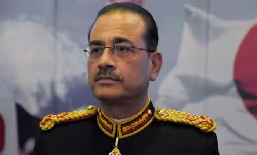

A leaked audio clip, purportedly featuring Pakistan’s Foreign Minister, has triggered a political storm after he is heard sharply criticising Field Marshal Army Chief General Asim Munir—a rare instance of top-level dissent spilling into public discourse. The recording, which has gone viral on Pakistani social media, captures the minister lamenting the unprecedented level of criticism directed at the Army Chief.
In the audio, the speaker says, “No Army Chief has ever been abused or defamed as much as he is being targeted today by name. Earlier, people wouldn’t even utter the Army Chief’s name because of the respect the position commanded. He has no idea what is happening to him. He knows what is happening, but he doesn’t know why.”
While the authenticity of the audio has not been officially confirmed, the leak has reignited the growing public discontent toward Pakistan’s powerful military establishment—and towards Asim Munir in particular.
The sharp criticism reflects several underlying factors that have increasingly made Gen. Munir a target of mockery and frustration among sections of the Pakistani population:
1. Deepening Economic Crisis
Pakistan’s economy continues to crumble under inflation, unemployment, and IMF-driven austerity. Many citizens blame the Army—seen as the country’s most powerful institution—for political interference that has derailed governance. As Army Chief, Munir has become a symbol of that frustration, with critics arguing that the military’s behind-the-scenes control has worsened the economic freefall.
2. Political Turmoil
The Army has been widely accused of orchestrating the crackdown on former PM Imran Khan’s PTI party. Mass arrests, media blackout, and alleged manipulation of elections in 2024 have fuelled anger.
3. Erosion of Traditional Respect
Historically, Pakistanis refrained from criticising the Army publicly due to its prestige—and fear. But social media has changed that dynamic, enabling unprecedented criticism. Influencers, political workers, and even ordinary citizens now openly mock senior officials, including the Chief, eroding the once untouchable aura around the military leadership.
4. Civil-Military Friction
The leaked audio, if genuine, exposes growing tensions between the civilian government and the military—tensions usually kept behind closed doors. Public cracks within the power structure add to perceptions of institutional weakness, inviting further ridicule from citizens and political rivals.
5. Unfulfilled Promises of Stability
When Munir took charge, he promised political and economic stability. Nearly two years later, neither goal has materialised. Instead, Pakistan remains mired in diplomatic isolation, domestic insecurity, and economic distress—conditions that have amplified public dissatisfaction.