
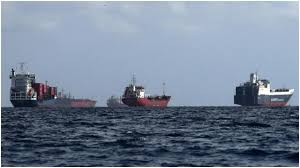

after multiple statements, Iran has granted permission for two Indian-flagged liquefied petroleum gas (LPG) carriers to pass through the Strait of Hormuz for India. This move is seen as a win and a relief for India’s cooking gas supply system while tensions in the Middle East remain at their peak. It came after a series of calls between the foreign ministers of both countries. India and Iran have managed to reach an agreement on the passage of Indian ships through the Strait of Hormuz.
LPG Carrier Crosses Strait
The Shivalik vessel, carrying 40,000 metric tonnes of LPG, has crossed the strait and is expected to reach the Indian coastline in the next few days, while another vessel is expected to dock in India soon. The Shivalik vessel was escorted by the Indian Navy and departed from Iran’s Bandar Abbas Port, according to reports.
Strategic Importance of the Strait
The Strait of Hormuz plays a very critical role in connecting the Persian Gulf to global markets, and any disruption in this passage impacts energy prices worldwide. The safe passage for Indian ships is being seen as a diplomatic win for India following high-level talks between the leaders of Iran and India.
Iran Assures Strait Will Remain Open
According to some reports, Iran’s Supreme Leader’s representative in India, Abdul Majid Hakeem Ilahi, again assured that the Strait of Hormuz remains open, with some ships still passing through despite the ongoing conflict in the region. Ilahi also said that blocking the Strait of Hormuz was not Iran’s first option, as it would lead to an energy crisis across the globe. Moreover, he said that India is a friend and that both nations share common interests in the region.
Diplomatic Talks Between India and Iran
In addition, Iranian Envoy Fathali said that safe passage would be given to Indian ships given the current situation and high-level diplomatic talks. This development came after multiple calls between New Delhi and Tehran, including a conversation between Prime Minister Narendra Modi and Iranian President Masoud Pezeshkian. Indian External Affairs Minister S. Jaishankar also held multiple calls with Iranian Foreign Minister Seyed Abbas Araghchi regarding maritime safety and the country’s energy security.
India Welcomes the Decision
The Indian government has welcomed the move, with EAM Jaishankar emphasizing the importance of ensuring safe passage for Indian vessels. The decision is expected to help ease India’s energy pressures, as the country imports large volumes of oil and gas through the Strait of Hormuz.