
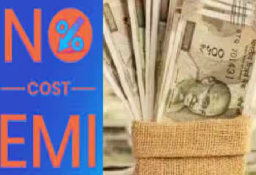

Every festive season, companies roll out irresistible deals. Banks, retailers, and e-commerce platforms flood consumers with “zero-cost” EMIs, instant approvals and no down-payment offers. In India, the frenzy peaks during Diwali and Dussehra, when spending is at its highest.
On the surface, these schemes seem like a celebration made easy. But beneath the banners that say “Celebrate without worry” lies a pattern of overspending and long-term debt. Families sign up for 6–12 months of payments for gadgets or appliances they may not truly need. The phone or TV that felt like a festive win in October lingers as an EMI in March.
Why Festival EMIs Look Attractive
These offers are designed to feel painless. A TV costing Rs 80,000 looks intimidating in one figure but feels manageable when split into Rs 6,600 per month. This psychological trick is used for phones, appliances, furniture and even travel packages. Small numbers make big expenses appear harmless.
The Real Issues Behind Easy EMIs
1. Overspending:
Once you accept the idea of paying in parts, it’s easy to “upgrade.” A phone meant to cost Rs 20,000 becomes Rs 35,000 because the monthly difference looks minor. It feels like no debt, but it is.
2. Stacking EMIs:
It’s rarely just one EMI. A phone here, a washing machine there, a sofa on Dussehra — each feels small, but together they eat up a big part of your salary. By month’s end, a large share of your income is already committed.
3. Hidden Costs:
“No-cost” EMIs often remove upfront cash discounts or add small processing fees. On paper, it looks interest-free, but you may end up paying more than someone who bought outright.
4. Rigidity:
Life is uncertain, but EMIs are fixed. Missing even one can trigger penalties and hurt your credit score. What seemed harmless turns stressful.
5. Regret:
Families often keep paying for gadgets they barely use. The festival mood fades but the EMI remains — a silent weight that lingers long after the celebrations end.
How Companies Push EMIs and Why People Fall For Them
Banks, retailers and e-commerce giants plan “festive finance” months in advance. Amazon and Flipkart plaster EMI banners across their Diwali sales. Mobile apps pre-select “no-cost EMI” at checkout. Ads show smiling families swiping credit cards under taglines like “Celebrate without limits.” Influencers unbox new phones “on EMI” as if it’s aspirational.
The result? Festival months like October and November see a 30–40 percent jump in credit card EMI conversions and buy-now-pay-later usage. This spike lingers for months. By January or February, many households are still paying for gadgets bought in the festive rush.
The Emotional Pressure Behind Festive Debt
Marketing amplifies social triggers. A father feels his children “deserve” a better TV. A young professional feels left out when colleagues flaunt new phones. EMIs become the bridge between desire and affordability — and most people cross it without thinking. By March, when school fees or medical expenses arise, the EMIs are still due. Families dip into savings or cut essentials just to keep up with payments.
Think Before You Swipe This Festival
Festivals should be remembered for lights, laughter, and family — not bills that arrive every month. Buying new things isn’t wrong; tying them to long-term debt without thought is. Before you tap “no-cost EMI” or “zero down payment,” pause. Ask: Do I really need this, or is the offer making me feel like I do?
The celebration ends in a week, but the payments remain long after. Protect your freedom and your finances. Don’t let festive debt outlive festive joy.