
Iran’s senior leaders have warned protesters and foreign opponents as protests spread across the country as a result of worsening economic crisis. Top judicial and military officials said this week that the state is ready to take tough action against both internal unrest and outside pressure.
Chief Justice Gholamhossein Mohseni Ejei warned those taking to the streets. “There will be no leniency for those who help the enemy against the Islamic Republic,” he said, according to Fars news agency, accusing the United States and Israel of stoking instability.
Referring to recent statements from abroad, he added, “Following announcements by Israel and the US president, there is no excuse for those coming to the streets for riots and unrest.”
The warning came as Iran faces intense international scrutiny after US President Donald Trump issued a threat last week, declaring that if Tehran “violently kills peaceful protesters, which is their custom, the United States of America will come to their rescue”.
He also said the United States is “locked and loaded and ready to go”. His comment came seven months after a short but destructive 12-day war. During that conflict, Israeli and US forces bombed Iranian nuclear sites.
Israel’s leadership has also spoken openly about the unrest. On Sunday, Prime Minister Benjamin Netanyahu voiced support for the protesters during a cabinet meeting, telling ministers, “It is quite possible that we are at a moment when the Iranian people are taking their fate into their own hands.”
Soon after Ejei’s remarks, Iran’s military leadership struck a similarly defiant tone. Speaking to students at a military academy, Major-General Amir Hatami addressed what he described as hostile “rhetoric” aimed at the country.
Hatami, who assumed the role of commander-in-chief of Iran’s army after several senior commanders were killed during the recent war with Israel, warned that Iran would respond preemptively if necessary. The country, he said, would “cut off the hand of any aggressor”.
“I can say with confidence that today the readiness of Iran’s armed forces is far greater than before the war. If the enemy commits an error, it will face a more decisive response,” he told the audience.
‘Longstanding Anger’
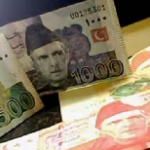
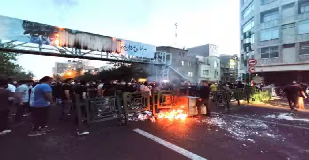
The protests have swept across Iran in recent weeks and have already turned deadly. Demonstrations erupted at the end of last month when shopkeepers in Tehran’s Grand Bazaar closed their businesses, venting anger over the collapse of the rial as economic hardship grew under years of mismanagement and heavy Western sanctions.
Iranian authorities have not released official casualty figures. HRANA, a network of human rights activists, reported that at least 36 people have been killed and at least 2,076 arrested.
Supreme Leader Ayatollah Ali Khamenei weighed in after Trump’s comments, promising that Iran would not “yield to the enemy”. His words drew added attention following a US military raid over the weekend that captured Venezuelan President Nicolas Maduro, a close ally of Tehran.
In an effort to cool public anger, the Iranian government announced on Wednesday that it would begin paying the equivalent of $7 a month to households to help offset rising prices for basic food items such as rice, meat and pasta. The move has been viewed as a limited response to the scale of the crisis facing ordinary Iranians.
Analysts say the demonstrations reflect anger that extend beyond the immediate economic shock. “More than a week of protests in Iran show not only worsening economic conditions, but longstanding anger at government repression and regime policies that have led to Iran’s global isolation,” the New York-based Soufan Center think tank said.