
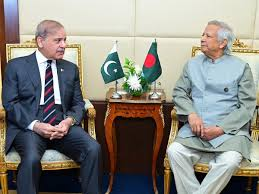

The Bangladesh government, led by Mohammad Yunus, is considering imposing a customs duty on cotton yarn imports, a move that could directly affect India, the country’s largest yarn supplier. Reports suggest the duty could range from 10% to 20% as the government seeks to support domestic cotton producers and stabilize falling local prices.
India supplies most of Bangladesh’s cotton yarn
India is Bangladesh’s biggest cotton yarn supplier, exporting $3.57 billion worth of yarn in 2025. Bangladesh accounts for nearly 46% of India’s total yarn exports, making it heavily reliant on Indian supplies.
Indian yarn constitutes about 82% of Bangladesh’s total yarn imports, highlighting the potential impact of any new import taxes.
Domestic producers push for the duty
Bangladeshi textile mills have long complained that duty-free imports from India have hurt local producers, driving prices down and threatening domestic production. Officials say imposing a duty could help protect local cotton growers and revive the domestic yarn market.
Garment exporters warn of risks
While domestic producers support the move, garment exporters are concerned. They argue that locally produced yarn is more expensive and of lower quality, and global fashion brands prefer Indian yarn. Exporters warn that any new duty could:
- Raise production costs
- Delay shipments
- Weaken Bangladesh’s competitiveness in the global textile market
Previous restrictions on Indian yarn
In April last year, the Yunus government stopped Indian yarn imports through major land ports, which previously handled 32% of India’s yarn exports to Bangladesh. Despite this measure, domestic yarn demand has not improved significantly, leading to renewed calls for import duties.