
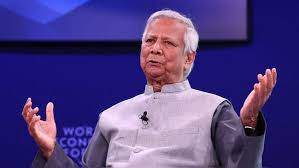

The United States has reduced tariffs on Indian goods to 18%, creating alarm among its neighbors. Bangladesh is one of them, and its chief advisor, Mohammad Yunus, rushed to the US. A significant trade agreement between Bangladesh and the US is scheduled for February 9, just 72 hours before Bangladesh’s general elections, making the timing controversial. Questions are being raised about why such a major deal was not postponed until after the elections.
Why Bangladesh Is Concerned About India’s Deal
The urgency stems directly from India. Recently, India secured a trade deal with the US, cutting tariffs on Indian goods to 18%. This caused concern in Bangladesh, as the country exports similar products to the US, especially ready-made garments.
Bangladesh’s economy is heavily dependent on the US, exporting $7–8 billion worth of clothes and textiles annually, which accounts for nearly 90% of its total exports to the US. If India enjoys lower tariffs while Bangladesh lags, American buyers may shift orders to India, directly impacting millions of jobs in Bangladesh. This is why Bangladesh wants to sign the deal quickly.
Has Bangladesh Signed a Secret Deal with the US?
In April 2025, the US imposed 37% tariffs on Bangladeshi goods, later reducing them to 35% and then 20%. Under the new deal, tariffs are expected to drop further to 15%.
However, the deal raises transparency concerns. In mid-2025, Bangladesh’s interim government, led by Mohammad Yunus, reportedly signed a confidential agreement with the US. This agreement prohibits public disclosure of trade and tariff negotiations, keeping the details secret.
Could the Deal Limit Bangladesh’s Freedom?
As a result, neither the parliament, industry, nor the public know the full terms of the deal. Experts argue that such a major economic agreement should have been openly debated. Analysts at the Centre for Policy Dialogue suggest that signing the deal before elections may bind the hands of the next government.
Reports indicate that the US conditions are not easy. Bangladesh may be asked to reduce imports from China, increase purchases from the US, and allow American products into the market with minimal inspection.
The garment sector is particularly worried. This industry employs 40–50 lakh people and contributes over 80% of Bangladesh’s export earnings. Representatives from the Bangladesh Garment Manufacturers and Exporters Association have expressed that they do not know the deal’s impact on different sectors, creating anxiety across the industry.