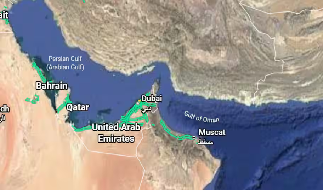

An oil tanker was hit by an unknown projectile in the Strait of Hormuz, causing a fire with no reported injuries or oil spills on Tuesday. The United Kingdom Maritime Trade Operations (UKMTO) reported the incident. The tanker was sailing southbound when it was struck on its port side, about eight nautical miles east of Limah, Oman. The impact started a fire on board, but the crew managed to report it quickly.
UKMTO advised all vessels in the area to stay alert and report anything suspicious while the investigation continues.
“A tanker has reported being hit by an unknown projectile on the port side, causing a fire, whilst travelling southbound,” said UKMTO in a X post.
Further advising cautious transit, UKMTO added, “Vessels are advised to transit with caution and report any suspicious activity to UKMTO.”
The Strait of Hormuz is the world’s most critical energy chokepoint. Roughly one-fifth of global crude oil, about 20 million barrels a day, passes through this narrow waterway every day on its way to markets, especially in Asia.
With the West Asia war and a follow-up ceasefire in place between the US and Iran, both sides have been working on a longer-term peace deal. Even so, tensions in the region haven’t fully eased. Iran has been firm about controlling shipping lanes and has warned ships to stick to certain corridors along its coast.
During the recent West Asia conflict, the Strait of Hormuz became a major flashpoint. Iran blocked parts of the waterway, vessels were attacked, and global oil prices shot up. The US hit back with its own blockade and strikes. Traffic only resumed after a recent agreement between Washington and Tehran, but normal free passage hasn’t fully returned.
As of now, no one has claimed responsibility for the projectile strike, and it’s unclear who or what was behind it. Authorities are still piecing together the details.
Meanwhile, Iran has repeatedly hinted at introducing charges for ships passing through the strait. Iranian officials have described these as “maritime service fees” or “transit fees” for navigation security, environmental protection, and other services, carefully avoiding the word “toll,” which would likely violate international norms. They have coordinated with Oman on the idea.
This push signals Tehran’s clear desire for greater control and revenue from one of the world’s most important energy routes, even as the US has publicly opposed any form of charges and pushed for permanently toll-free passage.