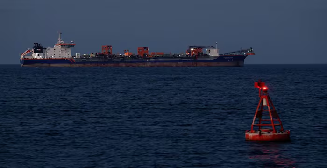

India is preparing to restart crude oil and gas shipments through the Strait of Hormuz, one of the world’s most critical energy corridors. According to reports, the government has nearly finalised a plan to send Indian tankers back into the Gulf region, with final approval now awaited. Once cleared, vessels could begin sailing again to bring energy cargo from West Asian suppliers.
A Bloomberg report suggests that this would be the first major attempt by the country to restore large-scale energy flows through the route since the Iran war disrupted shipping. The Strait of Hormuz handles a large share of world crude movement, but traffic in the area slowed after tensions escalated in late February.
Sources familiar with the development say preparations for the plan are in motion. The Shipping Corporation of India has lined up vessels for operations in the Gulf region again. However, final clearance is still pending from the Indian Navy and government security agencies.
Security has become a core part of the plan. The Indian Navy has increased its presence in the region, with reports suggesting that the number of deployed warships has gone up. Aerial surveillance has also been strengthened. Naval vessels are escorting commercial ships passing through the region or heading towards India to ensure safer movement through the sensitive waters.
India’s dependence on West Asian oil
India continues to rely heavily on West Asia for its energy needs. Even though imports from Russia have increased in recent years, crude from Gulf countries continues to be an essential part of India’s supply chain due to its pricing and shorter delivery time.
Alternative shipping routes have proven more expensive and slower, increasing import costs. This has made the Hormuz route a practical option despite the security risks posed by the ongoing tensions in the region.
Rising tension in the Strait of Hormuz
The Strait of Hormuz is tense. The United States has increased oversight of Iranian maritime activity, while Tehran continues to maintain strict monitoring of the area. This has created a complex security environment where navigation is difficult for commercial shipping.
In this backdrop, External Affairs Minister S Jaishankar recently met Iranian Foreign Minister Abbas Araghchi during a BRICS foreign ministers meeting in New Delhi. Talks included maritime security and the movement of Indian vessels, although no formal confirmation has been made about operational clearances from Iran or the United States.
Energy concerns felt at home
Fluctuations in international oil supply have started affecting India’s domestic economy. Rising crude prices and currency fluctuations have pushed up import costs. Prime Minister Narendra Modi has also urged citizens to use fuel responsibly and support efforts to reduce unnecessary energy consumption.