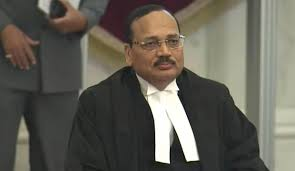

Chief Justice of India Justice Surya Kant on Saturday clarified that his controversial “cockroaches” remark was not aimed at the youth of the country. He said some sections of the media had wrongly presented his oral observations made during a court hearing. The CJI explained that he was criticising people who enter professions like law, media, and social media using fake or bogus degrees. He stressed that he respects Indian youth and sees them as the foundation of a developed India. The clarification came after the remarks sparked a major controversy online.
CJI Says Remarks Were Misquoted
In his statement, Justice Surya Kant said he was “pained” to see his comments being misrepresented. He said his criticism was directed at people who misuse fake qualifications to enter respected professions. The CJI compared such individuals to “parasites” who harm the system from within. He firmly denied allegations that he had insulted unemployed youth or the younger generation of the country. The CJI further said that Indian youth inspire him and deserve appreciation for their contribution to society and the nation’s future. He added that he has great faith in the talent and potential of the country’s young population.
Remarks Made During Court Hearing
The controversy started during the hearing of a petition related to the designation of a lawyer as a Senior Advocate. A bench of CJI Surya Kant and Justice Joymalya Bagchi questioned the lawyer’s conduct and social media activity. During the hearing, the court criticised the lawyer for aggressively pursuing the senior advocate title. The bench said such recognition should be earned through professional merit and conduct, not personal pressure or publicity.
Concerns Over Fake Degrees
The Supreme Court also raised concerns about fake degrees in the legal profession. The CJI said the court was considering asking the CBI to verify the educational qualifications of several lawyers due to serious doubts about their authenticity. The court also remarked that the Bar Council of India may avoid strict action because of vote-bank concerns. Later, the petitioner apologised and withdrew the plea, which the Supreme Court allowed.