
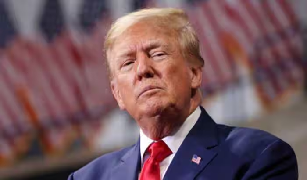

A strong warning from Donald Trump has heightened tensions in the Strait of Hormuz, with the US President threatening to “eliminate” any Iranian vessels that come near an American naval blockade.
“Iran’s Navy is laying at the bottom of the sea, completely obliterated – 158 ships,” Trump said in a post on X.
“What we have not hit are their small number of ‘fast attack ships’ If any of these ships come anywhere close to our BLOCKADE, they will be immediately ELIMINATED It is quick and brutal,” he added.
The warning comes as the US Navy moves to block vessels entering or exiting the Strait of Hormuz, a key global oil chokepoint carrying significant share of world oil trade.
Shipping through the strait has nearly come to a standstill again after a brief recovery during the two-week ceasefire. Prior to the conflict that began on February 28, around 125 vessels transited the route each day, but that figure has now dropped to just a handful.
Despite US assertions that much of Iran’s naval capability has been neutralised, a crucial element of its maritime strength remains operational.
The Islamic Revolutionary Guard Corps maintains a separate fleet of small, fast attack craft tailored for the narrow waters of the Gulf and the Strait of Hormuz.
Unlike larger warships, these vessels prioritise speed, stealth and agility, capable of firing missiles, deploy mines and disrupt commercial shipping.
The strait is just around 20 miles wide at its narrowest, providing these boats with a clear tactical edge. Experts note that they are difficult to detect, often hidden within underground coastal facilities carved into rocky terrain.
The escalation in the Middle East has sent shockwaves across world, disrupting global energy market. The oil prices crossed the $100/barrel on Monday.
Analysts caution that the blockade may further tighten supplies, placing additional pressure on Iran’s oil exports.