

The 2026 Hundred auction has sent a shockwave through the cricketing world as several high profile Pakistani stars, including Haris Rauf and national captain Fatima Sana, went unsold. While scheduling conflicts were officially cited, industry insiders point to a deeper narrative involving past provocations and the growing influence of Indian ownership in global franchise leagues.
The Shadow of the Rafale and 6-0 Gestures
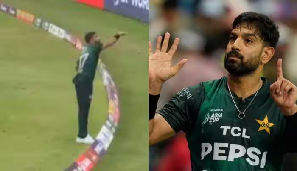
The auction snub is being viewed by many as a direct consequence of actions during the previous Asia Cup. Fast bowler Haris Rauf and other members of the squad were seen making “Rafale” wing signs and “6-0” gestures, which were widely interpreted as mocking references to historical military and sporting tensions with India. These actions have seemingly come back to haunt the players as franchises with Indian ties exercised their right to bypass these athletes to avoid public relations disasters.
The reluctance of franchises is heightened by the current situation facing Sunrisers Eastern Cape. The team is currently battling intense social media backlash and fan anger following their signing of Abrar Ahmed. This recent controversy served as a warning to other owners who realized that drafting Pakistani players, particularly those involved in past “mocking” incidents, would lead to immediate and severe backlash from a global fan base.
Strategic Withdrawals and Missed Opportunities
The men’s auction faced drama even before it commenced when ODI captain Shaheen Shah Afridi withdrew his name. Afridi was originally listed in the Tier 1 fast bowlers category and had previously played for Welsh Fire, but he was one of five overseas players to pull out. The ECB confirmed that Quinton de Kock, Sunil Narine, AM Ghazanfar, and Peter Siddle also withdrew.
While official statements pointed to clashes with the Caribbean Premier League, the reality of the auction room was far colder. With 13 Pakistani players remaining in the pool, teams remained cautious. In response to the growing scrutiny, the ECB and the eight franchises released a joint clarification stating that all selections would be based on “performance, availability, and the needs of each team.”
A Total Wipeout in the Women’s Category
The situation was even more dire for the women’s team. Despite their international standing, not a single Pakistani woman secured a contract. National captain Fatima Sana, along with Muneeba Ali, Diana Baig, and Sadia Iqbal, entered with a base price of £15,000 but received zero bids.
This total exclusion suggests that the “backlash factor” has become a primary consideration for franchise owners. With many Hundred teams now featuring Indian investment, the decision to avoid players who have publicly mocked their primary market appears to be a calculated business move. Consequently, Pakistan’s presence in The Hundred has been drastically reduced, proving that off field conduct and geopolitical sensitivities now carry as much weight as on field performance in the franchise era.