

The Income Tax Department has warned taxpayers to stay alert against a new online scam involving fake emails. These emails falsely claim to be sent by the department for Assessment Year 2025–26 and ask recipients to click on a link to view an “Assessment Order” or make a payment. Officials have clarified that these emails along with the attached order are completely fake and have not been issued by the department, urging people not to click on suspicious links or share personal information.
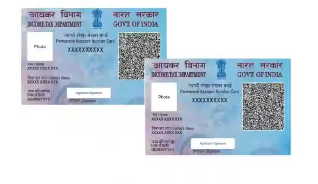
In a separate alert, the Press Information Bureau (PIB) Fact Check unit warned people about another scam email that claims to offer a link to download an e-PAN card. The email is designed to trick users into clicking on a malicious link. “Have you also received an email asking you to download e-PAN card? This email is fake,” PIB Fact Check said in X post.
The Income Tax Department has repeatedly warned taxpayers to stay cautious about phishing attempts and fake emails. It has advised people not to share their personal or financial details with unknown sources and to verify any tax-related communication only through the official Income Tax e-Filing portal. Officials also noted that genuine emails from the department are sent only from official domains such as incometax.gov.in.
How phishing emails target taxpayers
Phishing emails are designed to trick people into clicking on harmful links or downloading attachments that can install malicious software on their devices. The Income Tax Department has advised taxpayers to stay alert and avoid interacting with suspicious emails. If you receive such messages, you can report them to the department at webmanager@incometax.gov.in.
What to do if you receive a suspicious income-tax email
If you get an email from someone claiming to be authorised by the Income Tax Department or asking you to visit an income-tax website, follow these precautions:
– Do not reply to the email or interact with the sender.
– Avoid opening any attachments, as they may contain harmful code that can infect your smartphone or computer.
– Do not click on any links mentioned in the email. If you have already opened a link, do not enter sensitive details such as bank account or credit card information.
– Do not copy and paste the link from the email into your web browser.
– Keep your device protected with updated antivirus, anti-spyware software, and a firewall, as phishing emails may carry programs that can damage your system or track your online activity.
Tips to stay safe from tax-related online scams
– Avoid clicking on suspicious links or sharing personal and financial information.
– Always remember that the Income Tax Department never asks for passwords, OTPs, or bank details through email, SMS, or phone calls.
What to do if you fall victim to such a scam
If you encounter or become a victim of a fraudulent message or communication, report the incident immediately to the concerned authorities to prevent further misuse of your information.