
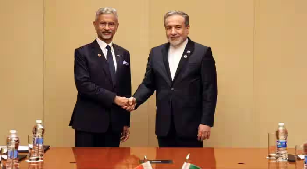

External Affairs Minister S. Jaishankar held a detailed conversation with Iran’s Foreign Minister Abbas Araghchi to review the evolving situation in West Asia, as tensions in the region continue to intensify.
Following the call, Jaishankar said both sides discussed the latest developments related to the ongoing conflict and agreed to maintain close communication.
“A detailed conversation this evening with Foreign Minister Araghchi of Iran on the latest developments regarding the ongoing conflict. We agreed to remain in touch,” Jaishankar wrote on X (formerly Twitter).
The discussion comes as India continues diplomatic engagement with key regional players after hostilities erupted between Iran, the United States and Israel on February 28. New Delhi has been in contact with multiple stakeholders in an effort to monitor the situation and safeguard its interests, particularly the safety of Indian nationals in the Gulf and the stability of energy supplies.
The conflict has raised concerns over global oil shipments through the Strait of Hormuz, a narrow passage linking the Persian Gulf with the Arabian Sea. Nearly one-fifth of the world’s oil supply typically moves through this route, making any disruption a major concern for energy-importing countries such as India.
The ongoing crisis has already begun to affect domestic fuel supply chains. Commercial LPG shortages have been reported in cities including Mumbai, Bengaluru and Kolkata. Restaurant groups say deliveries have become irregular, forcing several establishments to suspend operations temporarily.
According to the Mumbai Hotels and Restaurants Association, nearly 20 per cent of hotels in the city have already shut down temporarily due to supply disruptions, and the number could rise to half if the situation does not improve.
To mitigate the impact, the government has taken several steps to stabilise supplies. Officials said Indian refineries are currently operating at full capacity. They also noted that around 70 per cent of India’s crude oil imports now come from sources outside the Hormuz route, including Russia, the United States, and parts of West Africa.
Domestic LPG production has also been increased by about 10 per cent through reprioritisation. In addition, a three-member committee of Executive Directors from Indian Oil Corporation, Hindustan Petroleum Corporation Limited and Bharat Petroleum Corporation Limited has been set up to address concerns raised by commercial LPG users across the country.

