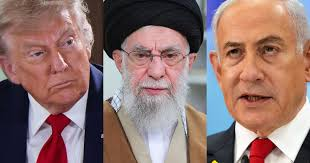

The ongoing conflict in the Middle East is intensifying, raising concerns of a broader regional crisis. Recent reports suggest that the United States and Israel are discussing the possibility of deploying special forces in Iran, potentially to secure the country’s highly enriched uranium stockpiles.
According to a report by Axios, citing four sources, such a move could mark a significant next phase in the conflict. The situation is already drawing global attention as tensions rise across the region.
US Issues Stern Warning to Threats Against Citizens
US Defense Secretary Pete Hegseth took to social media with a sharp warning: any harm or threat directed at American citizens will be met with decisive retaliation. This message was shared via the official United States Central Command (CENTCOM) account, emphasizing that the US is fully prepared to respond to any danger.
Alongside the warning, CENTCOM released a 21-second video showcasing recent military operations, including US forces targeting vehicles and structures. The footage serves as a clear signal of America’s readiness to act swiftly against perceived threats.
Trump Claims Major Success Against Iran’s Leadership
Former President Donald Trump recently asserted that the US has eliminated key figures within Iran’s top leadership, describing it as a removal of a “significant global threat.” Trump claimed that the US has gained substantial advantages in the conflict, delivering heavy blows to Iran’s military capabilities.
Trump said American strikes have nearly wiped out Iran’s naval power and destroyed 44 ships. He also claimed US forces neutralized most of Iran’s combat aircraft and missile systems and targeted several missile production facilities, crippling Iran’s ability to replenish its arsenal.
Controversy Over Attack on Iranian School
Questions have emerged regarding a bomb strike on a girls’ school in Iran. Trump denied any US involvement, suggesting that the incident may have resulted from a misdirected Iranian weapon or technical malfunction. This statement comes amid heightened scrutiny of civilian casualties in the ongoing conflict.
How Long Will the Conflict Continue?
When asked about the duration of the conflict, Trump did not provide a concrete timeline. He noted that operations would continue as long as necessary, asserting that Iran’s military is “almost destroyed” but that the US is still determining the next steps.
US special envoy Steve Wittkoff highlighted that diplomatic solutions remain possible, though prior negotiations showed Iran unwilling to reach an agreement regarding its nuclear program.
Iran Defends Right to Uranium Enrichment
Iran has maintained that it has the right to enrich uranium, claiming it possesses fuel enriched up to 60 percent, enough for roughly 11 nuclear weapons. This development has heightened concerns among the US and its allies. The current crisis escalated further following a joint US-Israel military operation on February 28, which reportedly killed Iran’s Supreme Leader Ayatollah Ali Khamenei along with several senior officials.
In response, Iran launched drone and ballistic missile attacks on US facilities and allied countries, including Bahrain, Kuwait, Qatar, Saudi Arabia, the United Arab Emirates, and Jordan, marking a significant escalation.
Israel Conducts Strikes on Tehran Military Sites
Meanwhile, the Israel Defense Forces (IDF) reported that the Israeli Air Force struck multiple military sites in Tehran. According to the IDF, these attacks targeted fuel storage facilities supporting Iran’s military units, inflicting significant damage and weakening Iranian defenses.
With escalating attacks and retaliations, the security situation across Western Asia is deteriorating rapidly, putting both local civilians and foreign residents at increasing risk.