
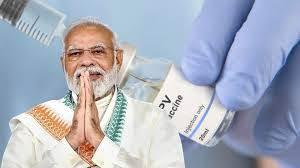

Prime Minister Narendra Modi launched India’s first nationwide Human Papillomavirus (HPV) vaccination programme on Friday in Ajmer. This marks a major step to support the ‘Swastha Nari’ (Healthy Women) vision, which will offer free protection against cervical cancer to millions of girls.
What is HPV?
Human Papillomavirus (HPV) is a widespread viral infection that spreads primarily through skin-to-skin contact. Most HPV infections resolve on their own without causing symptoms.
However, certain high-risk strains, especially HPV types 16 and 18, can persist in the body and significantly increase the risk of developing cervical cancer over time.
Global health data indicate that nearly all cases of cervical cancer are associated with long-term HPV infection. In India, cervical cancer continues to be one of the leading causes of cancer-related deaths among women, particularly in low-resource areas where access to regular screening and early detection services remains limited.
Why the HPV vaccine is important for women
Cervical cancer is a major health threat for women in India, causing thousands of deaths each year. HPV is the main cause and is often spread through close contact. This vaccine protects girls before they face risks, helping prevent up to 90% of cervical cancer cases.
- Early Protection: Given at age 14, the HPV vaccine builds strong immunity before potential exposure to the virus.
- Saves Lives: With over one lakh cervical cancer cases reported annually in India, widespread vaccination can significantly reduce disease burden and deaths.
- Empowers Women: Supports PM Modi’s ‘Swastha Nari’ vision by protecting the health of mothers and daughters while reducing future treatment costs and suffering.
- Safe for women: WHO-approved, with mild side effects like soreness at the injection site; monitored closely.
What is the nationwide HPV vaccination programme?
The programme aims to boost preventive health care and fight cervical cancer. It will vaccinate about 1.15 crore girls aged 14 years every year across all states and Union Territories. The vaccine is completely free at government health centres.
Where and how will vaccinations happen?
Vaccinations will take place at:
- Ayushman Arogya Mandirs (Primary Health Centres)
- Community Health Centres
- Sub-District and District Hospitals
- Government Medical Colleges and Hospitals
Each session will be led by trained Medical Officers and supported by skilled health teams. All sites have working Cold Chain Points to keep vaccines safe.
They are also connected to 24×7 government health facilities for quick help if any rare side effects occur after vaccination (AEFI).
Is the HPV vaccine safe?
Extensive research and global data confirm that HPV vaccines are safe and effective. Mild side effects such as soreness at the injection site, low-grade fever, or fatigue may occur, but serious complications are extremely rare.
The vaccine has been approved by major health authorities worldwide and is considered a critical tool in eliminating cervical cancer as a public health threat.