
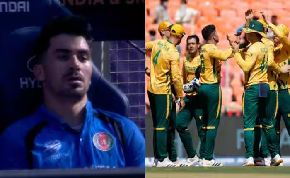

In a match that defied all expectations, South Africa secured a 4-run victory over Afghanistan after two intense Super Overs. While the cricket was breathtaking, the game also highlighted the complex ICC regulations that govern tie-break situations in T20 Internationals.
Match Overview: From Tie to Double Super Over
The primary match ended in a spectacular stalemate with both teams scoring 187 runs.
First Super Over: Afghanistan batted first (as they were chasing in the main game) and scored 17 runs. South Africa matched this exactly, with Tristan Stubbs hitting a six off the final ball.
Second Super Over: Under ICC rules, the batting order reversed—South Africa batted first and posted a massive 23 runs. Afghanistan fell 4 runs short of the target.
Understanding the Super Over Rules
When a T20 International ends in a tie, a Super Over is played to determine the winner. However, if that Super Over also ends in a tie, the following rules apply for the subsequent “Double Super Over” and beyond:
1. The Bowling Restriction (The Most Critical Rule)
A bowler who has already bowled a Super Over in the match cannot bowl the subsequent Super Over.
Application: After Lungi Ngidi bowled for South Africa and Fazalhaq Farooqi for Afghanistan in the first tie-breaker, they were ineligible for the second. This forced South Africa to turn to Keshav Maharaj and Afghanistan to Azmatullah Omarzai for the deciding over.
2. Reversal of Batting Order
In the first Super Over, the team that chased in the main match bats first. In any subsequent Super Over, the order is reversed.
Application: Afghanistan batted first in the first Super Over. In the second Super Over, South Africa took the crease first.
3. Batsman Eligibility
The rules regarding which batsmen can return are specific:
Dismissed Players: Any batsman who was Out (Caught, Bowled, LBW, etc.) in the previous Super Over is disqualified from batting in the next one.
Not-Out Players: Players who remained not-out or were “Retired Not Out” can return to the 3-batsman list for the next over.
Retired Out: A player who is “Retired Out” is eligible to return, unlike someone who was actually dismissed by the bowler.
4. The 3-Batsman Limit
Each team is limited to only three nominated batsmen for a Super Over. If two wickets fall, the innings ends immediately, even if the six balls have not been completed.
Why South Africa Won the “Mental Game”
The transition between the first and second Super Over is often where matches are won. South Africa’s decision to send David Miller and Tristan Stubbs back out for the second over since they had remained not-out allowed them to maintain momentum. Conversely, Afghanistan had to shuffle their strategy as the pressure of the bowling restrictions limited their defensive options.
Keshav Maharaj’s final-over heroics, defending 23 runs against a Rampant Rahmanullah Gurbaz, showcased that even with these complex rules, the game ultimately comes down to who handles the pressure best on the final delivery.