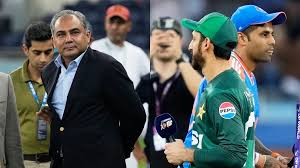

Pakistan could still reverse its controversial decision to boycott the India vs Pakistan clash at the ICC Men’s T20 World Cup 2026, with insiders suggesting the February 12 Bangladesh elections may trigger a policy shift. Reports indicate PCB chairman Mohsin Naqvi is keeping the door open to avoid financial penalties, legal risks, and potential global isolation. With the high-voltage fixture scheduled for February 15 in Colombo, the coming days may decide whether cricket’s biggest rivalry survives political pressure.
The situation matters far beyond one match. India vs Pakistan games anchor broadcast deals, drive global viewership, and shape tournament economics. A withdrawal would send shockwaves through the ICC ecosystem.
What Triggered Pakistan’s Boycott Threat?
Pakistan’s stance is widely viewed as politically influenced rather than purely sporting. The decision followed Bangladesh’s removal from the tournament after disagreements over venue security. Key factors behind the threat:
- Political signaling: Pakistan hinted at reviewing participation in solidarity with Bangladesh.
- Government directive: The call reportedly came from top leadership, not just cricket administrators.
- Strategic leverage: Skipping the match would pressure the ICC commercially and diplomatically.
- Yet notably, the PCB has not formally confirmed the boycott to the ICC, a delay that experts interpret as negotiation space rather than a final call.
Why February 12 Could Change Everything
- The Bangladesh general elections appear to be the pivot point.
- If a stable democratic government takes charge, Pakistan could use the political reset as justification to soften its stance without appearing to retreat under pressure.
- Sources tracking Pakistan cricket believe Naqvi, who also holds a powerful political role, is unlikely to risk long-term damage for a symbolic protest.
- There is also a narrow timeline. The election is just three days before the India match, leaving enough room for a late diplomatic compromise.
Financial and Legal Risks Pakistan Cannot Ignore
From a governance perspective, skipping the match could prove extremely costly. Potential consequences include:
- Heavy financial penalties from the ICC
- Breach of Members Participation Agreement
- Possible lawsuit from the official broadcaster
- Loss of future negotiating power in ICC matters
Broadcast contracts for global tournaments are priced assuming at least one India vs Pakistan fixture. Removing it could trigger contractual disputes affecting multiple stakeholders. Industry observers note that boards rarely jeopardize long-term revenue streams unless political stakes are extraordinarily high.
The Isolation Factor: A Bigger Strategic Threat
Cricket boards operate within a tightly connected financial structure dominated by ICC events.
If Pakistan refuses to play:
- India would likely receive walkover points
- The PCB could face reputational damage
- Future tournament influence may weaken
Historically, teams have avoided forfeiting marquee matches because the sporting and diplomatic fallout often outweighs short-term messaging.
What This Means for the T20 World Cup 2026
Pakistan have already reached Colombo and are scheduled to open their campaign on February 7. Preparations continuing as normal suggest the squad expects to compete fully. For the tournament, the India vs Pakistan clash is more than a group-stage game. It is the event that:
- Delivers peak TV ratings
- Drives sponsorship spikes
- Expands global reach beyond traditional cricket markets
From an editorial lens, the probability of a complete boycott still appears low unless geopolitical tensions escalate dramatically. A late U-turn, while politically awkward, would ultimately align with cricketing and commercial logic.
Expect Pragmatism Over Posturing
Administrators often adopt strong public positions before stepping back through diplomatic channels. The current silence from the PCB to the ICC hints at ongoing backdoor conversations. If Bangladesh’s elections reduce political friction, Pakistan would gain the perfect off-ramp. For fans, broadcasters, and the ICC, the expectation remains clear: when stakes are this high, pragmatism usually wins. The next week could quietly decide the fate of cricket’s most watched rivalry.