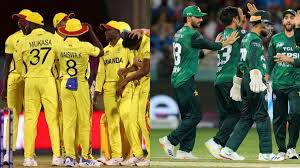

If the International Cricket Council (ICC) takes a hard line on Pakistan’s decision to boycott its T20 World Cup 2026 group match against India, Uganda is the most likely replacement. That possibility has moved from theory to serious discussion after Pakistan confirmed participation in the tournament but refused to play India on February 15, triggering a fresh governance and credibility test for world cricket.
The issue matters now because the ICC’s response will set a precedent. Allowing selective boycotts inside a global tournament risks weakening the authority of the competition, its broadcast value, and its contractual framework. That is why officials are weighing punitive options instead of symbolic warnings.
Why the ICC Is Under Pressure to Act
Pakistan’s stance has placed the International Cricket Council in a tight corner. The governing body has already taken a firm position after Bangladesh refused to travel to India, leading to their removal from the tournament. Any leniency now would invite accusations of inconsistency and selective enforcement.
According to senior officials, the ICC has urged the Pakistan Cricket Board to reconsider, warning of long-term consequences for Pakistan cricket if the boycott stands.
Sanctions the ICC Is Actively Considering
Sources indicate that if Pakistan does not reverse its position within the next 48 hours, the ICC may consider the following measures:
- Full suspension from ICC events, similar in principle to historical bans imposed for governance breaches.
- NOC freeze, blocking Pakistani players from receiving clearance to play overseas leagues, including the PSL’s foreign participation.
- Financial withholding, freezing Pakistan’s ICC revenue share, estimated at over $30 million annually.
These are not symbolic threats. They directly affect Pakistan’s domestic ecosystem, player livelihoods, and future leverage within ICC corridors.
Why Uganda Becomes the Front-Runner
- If Pakistan is suspended or removed, Uganda is next in line. The selection logic is simple and procedural.
- Uganda is the highest-ranked associate nation outside the 20 qualified teams.
- ICC regulations mandate ranking-based replacement, not discretionary invitations.
- A similar process was followed earlier when Scotland replaced Bangladesh.
Crucially, Uganda has already signaled readiness, both logistically and politically, publicly stating its willingness to step in without conditions.
Why Bangladesh’s Return Is Unlikely
Some speculation suggests Bangladesh could be reinstated if Pakistan exits, especially since Pakistan’s matches are scheduled in Sri Lanka. However, that scenario remains improbable.
The Bangladesh Cricket Board was removed after formally refusing to play in India. Reversing that decision would undermine the ICC’s earlier stance and weaken its authority at a time when consistency is essential.
Pakistan’s Balancing Act Behind the Scenes
PCB chairman Mohsin Naqvi has held high-level meetings with Pakistan’s political leadership, emphasizing the need to protect Pakistan cricket’s long-term stability and its relationship with the ICC. Travel plans for Colombo have reportedly been finalized, suggesting that a complete withdrawal is unlikely.
Still, even partial non-compliance, such as refusing a single marquee fixture, carries consequences. From an ICC standpoint, participation cannot be selective.