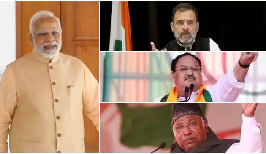

Prime Minister Narendra Modi has repeatedly advised the opposition to engage in constructive politics rather than opposing merely for the sake of opposition. Just ahead of this winter session, PM Modi once again urged Opposition parties to raise strong and meaningful issues. However, even as the Special Intensive Revision (SIR) issue continues to rock Parliament, the Sanchar Sathi directive has added further fuel to the fire, with the opposition up in arms against the government. This is not the first time the Opposition has expressed concerns over the government’s intentions. The Congress-led bloc has consistently accused the Narendra Modi government of bulldozing bills through Parliament, often claiming that no suggestions were sought from them and that, on a majority of occasions, many bills were passed without any debate.
When the government mandated the use of the Aarogya Setu app or the Covid-19 vaccination, the opposition raised its voice, yet neither was it consulted nor was its opinion taken into consideration.
On the caste census issue too, the NDA/BJP governments initially appeared averse to the idea, but later stated that the population census would include caste enumeration. Still, the government has not taken the opposition into confidence on this crucial matter.
The Sanchar Saathi mandate stands as yet another example where the opposition was not consulted before the directive’s implementation.
Similarly, the Labour Reforms Bill — The Occupational Safety, Health and Working Conditions Code, 2020 (OSHWC Code) — also did not receive the detailed debate and scrutiny that such a significant reform warranted.
Issues like national security often see the government briefing the opposition only after much hue and cry. The government has been reactive, not proactive, when it comes to taking the opposition along on crucial issues. This makes space for chaos, protest, and opposition rather than a smooth transition.
What is interesting is that the opposition is also not willing to hold debates on crucial issues like lack of healthcare facilities, unemployment and dilapidated condition of government schools across the country, but it wants to debate non-issues like SIR or some alleged reports against some businessmen. On the other hand, the government is approving debates like Vande Mataram in a time when patients are not getting ambulances or have waiting times of months to years in many cases.
The issues affecting common people have taken backseat as neither the government nor the opposition is ready to work for larger goals.
In recent years, several major laws — including the three Farm Laws (2020) and the Digital Personal Data Protection Act (2023) — were passed amid walkouts or protests, underscoring the widening trust gap between the Treasury and Opposition benches. Even on matters of national significance like the abrogation of Article 370 or the Jammu & Kashmir Reorganisation Act, debates were marked by heightened political tempers rather than collaborative lawmaking. Parliamentary data has repeatedly shown a decline in the number of bills referred to standing committees during successive sessions, indicating shrinking space for detailed scrutiny and multiparty engagement. This trend has raised concerns among constitutional experts about the weakening of Parliament’s deliberative character — a pillar envisaged by the framers of the Constitution.
Ultimately, democracy thrives not merely on the strength of numbers in the House, but on the strength of dialogue and accountability. When the ruling government pushes key legislation through without consensus, and the Opposition prioritises disruption over debate, it is the citizen who pays the price — in stalled reforms and unattended public challenges. India’s Parliament was designed to be a forum of negotiation and resolution, not a battlefield for political posturing. Unless both sides recommit to meaningful consultation, transparency and responsible opposition, critical issues affecting everyday lives — health, education, livelihoods and safety — will continue to be overshadowed by partisan conflicts. The path forward demands not just loud voices, but listening ears — working together for people above politics.