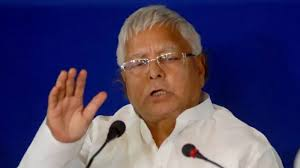

Rashtriya Janata Dal (RJD) chief Lalu Yadav has moved into a new, more private home, signaling a change in both his personal routine and the way the party now operates around him. This move is being seen as part of a larger shift within the party, reflecting not just his health priorities but also the gradual transfer of day-to-day leadership responsibilities.
Strict Rules and Health as a Priority
The new house has a strict entry system. Visitors must get prior approval, and meetings need to be scheduled in advance. Party workers can no longer drop in unannounced, and the household environment is being carefully maintained to ensure calm and minimal disturbance. Doctors regularly visit Lalu Yadav, and political discussions are closely monitored in terms of number and duration, all aimed at safeguarding his health and recovery.
Homes That Once Functioned Like Public Courts
For decades, Lalu Yadav’s residences were known as some of Bihar’s busiest political hubs. During his tenure as chief minister, his official residence at 1 Anne Marg functioned like an open grievance centre. Villagers, supporters, journalists, ministers, and party workers could enter freely, often creating constant crowds. The atmosphere was informal and always lively, with people walking in and out throughout the day. In some cases, even cattle wandered into the premises, highlighting the complete openness of his political and personal space.
Later, during Rabri Devi’s chief ministership, the family home at 10 Circular Road became the RJD’s main political address. The doors rarely closed, festivals turned into large gatherings, and supporters freely entered the compound at all hours. These homes were not just living spaces—they were functioning as centres of political activity, public outreach, and party engagement.
A Shift in Leadership Dynamics
The carefully controlled environment of Lalu Yadav’s new residence is also indicative of a broader transition within the RJD. With the party chief stepping back due to health concerns, key responsibilities, including alliance discussions, organisational planning, and strategy sessions—are increasingly being handled by Leader of Opposition Tejashwi Yadav. This gradual shift shows that while Lalu Yadav continues to remain the face of the party, the daily operational control is moving to the next generation of leadership.
Balancing Privacy with Political Presence
Despite the stricter rules, the RJD continues to respect Lalu Yadav’s stature and legacy. The new house is designed to allow him to maintain a connection with the party while keeping his personal health and privacy intact. The move reflects a balance between his role as a senior political leader and the practical need for rest and reduced public exposure. It also underscores the party’s evolving approach, with structured management and defined protocols replacing the informal, always-open nature of the previous homes.
Implications for Bihar Politics
This change in Lalu Yadav’s residence and the party’s operational style comes at a time when Bihar politics is undergoing significant shifts. The transition of daily responsibilities to Tejashwi Yadav may redefine the party’s strategy, alliances, and public engagement. It also signals to party workers and supporters that while Lalu Yadav remains the guiding figure, the next generation is now stepping in to manage core political activities, ensuring continuity and organisational stability.