
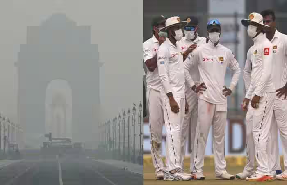

In a significant development that has sparked nationwide discussion, the Board of Control for Cricket in India (BCCI) has shifted the knockout matches of the Men’s U-23 One-Day Tournament from Delhi to Mumbai due to deteriorating air quality in the national capital. With Delhi’s Air Quality Index (AQI) consistently slipping from “very poor” to “severe” levels, the decision underscores growing concerns around player safety, public health, and the future of outdoor sports in polluted metros.
This move, prompted by alarming forecasts from the Ministry of Earth Sciences’ Air Quality Early Warning System, marks another instance of cricket being forced to adapt to environmental challenges — a trend that continues to impact scheduling and match logistics across India.
Delhi Air Pollution Reaches Critical Levels
Over the past week, Delhi has witnessed a sharp rise in toxic particulate matter, triggering health advisories, public warnings, and even a Supreme Court observation discouraging outdoor sports. The AQI is expected to worsen further in the coming days, creating conditions unfit for competitive cricket.
Officials reportedly informed the Mumbai Cricket Association (MCA) to prepare for hosting duties between November 25 and December 1. “Cricket can’t be played in those conditions,” an MCA official stated, highlighting urgent public health priorities.
The environmental crisis revisits painful memories from December 2017, when Sri Lankan players wore masks during a Delhi Test, with some experiencing respiratory discomfort. With AQI readings once again breaching dangerous thresholds, organizers had little choice but to relocate.
BCCI’s Proactive Stance Amid Rising Environmental Concerns
This is not the first time BCCI has had to alter its schedule due to pollution-related hazards. Earlier this year, the first India vs South Africa Test slated for Delhi on November 14 was moved to Kolkata due to poor air quality projections. As compensation, Delhi received the India vs West Indies Test on October 10, scheduled during comparatively safer conditions.
The latest shift continues BCCI’s evolving approach: prioritizing the welfare of players, match officials, and fans amid unpredictable environmental patterns. The Board’s responsiveness also aligns with global sporting standards that increasingly weigh environmental data when finalizing venues.
Mumbai Steps Up to Host Knockout Stage
Mumbai, known for its relatively stable air quality compared to winter-time Delhi, is set to take over the U-23 knockout stage. The MCA has already begun logistical planning, ensuring venues are match-ready well ahead of schedule.
This unexpected but necessary relocation also presents opportunities — allowing Mumbai’s domestic cricket ecosystem to host high-pressure developmental-stage matches. Additionally, it relieves players from the health risks associated with breathing pollutants during intense physical activity.
A Wake-Up Call for Indian Cricket
The forced venue change is far more than a scheduling adjustment; it is a stark reminder of how environmental challenges are reshaping India’s cricketing landscape. As rising pollution continues to affect major metros, the sport may increasingly see relocations, altered formats, and revised calendars.
With player well-being becoming a top priority and public health concerns taking center stage, BCCI’s swift action signals an era where environmental data could play as important a role as cricketing calendars themselves.