
Former India spinner Ravichandran Ashwin has opened up on the pressing issue of indirect communication in Indian cricket, following the recent controversy surrounding Mohammed Shami’s exclusion from the India ODI squad for the Australia series. Ashwin’s insights highlight how unclear communication between players and selectors can lead to confusion, misunderstandings, and unnecessary friction in the team environment.
Shami’s Outburst and Ranji Trophy Heroics
Mohammed Shami, currently playing in the Ranji Trophy, made headlines with a stellar performance against Uttarakhand, claiming figures of 3/37 and 4/38, leading Bengal to an eight-wicket victory. Despite his match-winning performance, Shami expressed frustration over his non-selection, questioning India’s selection process and indirectly pointing to a lack of clarity from BCCI chief selector Ajit Agarkar.
Ashwin acknowledged Shami’s frustration, stating, “Look at what Shami did. He performed and then talked in the press conference; there is nothing wrong with that. But why is he talking all of this? Because he doesn’t have clarity.”
The Problem with Indirect Communication in Indian Cricket
Ashwin criticized the culture of indirect communication in Indian cricket, calling for a shift towards more transparency. “Everything in Indian cricket runs on indirect talks. I really wish it changes. It has to change from both the players’ side and the selectors’ side as well,” he said. The veteran spinner pointed out that indirect messages often leak into the media, creating unnecessary speculation and tension within the team.
He emphasized that clarity and trust are vital. “If a player knows exactly what is expected of him, there is confidence. But without clarity, players are left guessing, which can affect performance and morale,” Ashwin added.
Ajit Agarkar’s Handling of the Situation
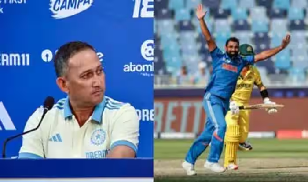
Despite the controversy, Ashwin praised Ajit Agarkar for managing the situation professionally. During a recent press conference, Agarkar admitted he was unaware of Shami’s current fitness status and clarified that discussions were planned to resolve the issue. Ashwin commented, “I really loved how Ajit Agarkar handled it. He said if Shami wants to say something, I’ll pick up the phone and talk to him. I really hope that phone call has happened.”
Shami’s International Journey and Current Status
At 34, Shami remains a key figure in India’s pace attack, though he has faced intermittent selection challenges. He last represented India during the Champions Trophy 2025, where he was India’s lone frontline pacer. Despite a brilliant five-wicket haul against Bangladesh, inconsistency in the tournament led to his omission from the recent ODI series in Australia.
Currently, India’s pace options for the Australia ODI series include Arshdeep Singh, Mohammed Siraj, Harshit Rana, and Prasidh Krishna, with Jasprit Bumrah being rested. Shami’s absence, coupled with his impressive Ranji Trophy performance, has intensified discussions around selection transparency and player communication.
Why Clear Communication is Crucial for Indian Cricket
Ashwin’s remarks highlight a broader issue in Indian cricket: the need for direct dialogue between players and selectors. Indirect communication not only fosters confusion but can also impact team harmony and player confidence. Clear communication ensures players understand expectations, fitness requirements, and selection criteria—ultimately contributing to team performance and morale.
In conclusion, while Shami continues to showcase his match-winning capabilities in domestic cricket, Ashwin’s call for transparency serves as a timely reminder for BCCI and selectors to streamline communication and foster trust. As Indian cricket navigates key international series, clarity in player-selector interactions will be critical to building a cohesive, motivated squad.