
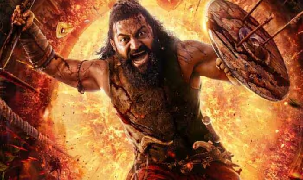

Rishab Shetty’s Kantara: Chapter 1, one of the most highly anticipated films of the year, opened to a thunderous response from fans after its release on October 2.
According to box office tracking website Sacnilk, the film is estimated to have earned Rs 60 crore nett (gross minus taxes) across India on its opening day.
The Pan-Indian release was riding on high buzz and registered an impressive 88.13% occupancy in Karnataka on Thursday. Overall, the film recorded a solid 75.34% occupancy nationwide, with Tamil Nadu at 71.42%.
The Hindi version alone contributed Rs 19–20 crore with 29.84% occupancy, making it the second-biggest opening for a Kannada film in the Hindi market, after Yash’s KGF: Chapter 2, which had registered a massive Rs 54 crore nett.
About Kantara: Chapter 1
The movie stars Rishab Shetty, Rukmini Vasanth, Jayaram, Gulshan Devaiah, Pramod Shetty, Rakesh Poojari, Prakash Thuminad, Deepak Rai Panaje, Hariprashanth M G, Shaneel Gautham, and Naveen Bondel in pivotal roles.
The story takes viewers back to the roots of Kantara land, exploring the conflict between the Kantara tribe and the Bangara kingdom. Vijayendra (Jayaram), king of Bangara, passes on his throne to his son Kulasekhara (Gulshan Devaiah), while his daughter Kanakavathi (Rukmini Vasanth) oversees the kingdom’s treasury. Meanwhile, Berme (Rishab Shetty), the resolute leader of the Kantara tribe, works tirelessly to uplift his people.
Cast and Crew
The creative team includes music director B. Ajaneesh Loknath, cinematographer Arvind Kashyap, and production designer Vinesh Banglan. The film features an extensive war sequence involving more than 500 trained fighters and 3,000 extras. This sequence, shot over 45–50 days across a specially built 25-acre town on rugged terrain, is being touted as one of the biggest in Indian cinema history.
Rukmini Vasanth essays Kanakavathi, while Bollywood actor Gulshan Devaiah plays Kulasekhara in this grand period drama.
Kantara: Chapter 1 has been released worldwide in Kannada, Hindi, Telugu, Malayalam, Tamil, Bengali, and English, reaching audiences across languages.