
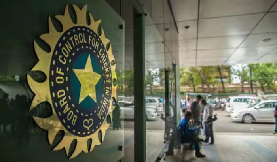

As the BCCI Annual General Meeting (AGM) 2025 draws closer, Indian cricket braces for a power shift at the very top. With Roger Binny ineligible for re-election after crossing the 70-year age limit, the coveted role of BCCI president is up for grabs. Alongside it, the influential position of IPL chairman is also set for change, making this election one of the most significant in recent years.
Roger Binny’s Exit Leaves a Void at the Helm
Binny, India’s 1983 World Cup-winning hero, brought stature and cricketing credibility to the BCCI presidency. But the board’s constitution, which bars officials from continuing beyond the age of 70, rules him out of the upcoming election. His departure leaves stakeholders pondering whether another former cricketer of repute will take charge, or whether an experienced administrator will step in.
Sources within the board suggest there is strong sentiment that the BCCI president should ideally be a cricketer of stature, following the legacy of Sourav Ganguly and Roger Binny. However, the challenge lies in convincing high-profile former players to accept what is largely an honorary role with limited decision-making incentives but immense responsibility.
Rajeev Shukla and Sanjay Naik Among Front-Runners
The focus also shifts to the role of IPL chairman, one of the most powerful positions in world cricket. Current chairman Arun Dhumal is nearing the end of his six-year term across two roles in the BCCI. As per the Lodha reforms, he will need to serve a three-year cooling-off period before contesting for another position.
That opens the door for fresh contenders. Among the frontrunners are Rajeev Shukla, the current BCCI vice-president and seasoned administrator, and Sanjay Naik, the former secretary of the Mumbai Cricket Association. Both bring administrative acumen, political connections, and deep cricketing ties, making this contest one to watch.
If Shukla, a sitting Rajya Sabha MP, moves to the IPL chairman’s seat, it could also pave the way for Rakesh Tiwary, president of the Bihar Cricket Association and a BJP leader, to step in as BCCI vice-president.
The Governance Act and Its Impact
Another factor looming over these elections is the National Sports Governance Act, which is yet to be implemented. Until then, the BCCI continues to operate under its existing framework. If the act comes into play before the 2026 AGM, cooling-off norms and eligibility criteria for office bearers could shift dramatically, impacting the long-term power dynamics within the board.
For now, key figures like Devajit Saikia (secretary), Rohan Gauns Desai, and Prabhtej Bhatia (joint secretaries) are expected to continue in their roles, providing some stability amid the high-stakes reshuffle.
Why the Presidency Matters Beyond Symbolism
While the role of BCCI president is often seen as ceremonial, it remains crucial for India’s representation at ICC forums, building consensus across state associations, and ensuring smooth functioning at the domestic and international levels. A president with cricketing pedigree can enhance the board’s credibility, but one with political and administrative heft may offer greater influence in global cricket governance.
This tension between cricketers and career administrators is what makes the 2025 election so compelling.